By Isaac Nielsen OMAHA, Neb.- A new collaboration between Omaha’s Henry Doorly Zoo and Aquarium and The Nature Conservancy (TNC) is helping to nourish zoo animals while protecting one of North America’s most endangered ecosystems—the tallgrass prairie.
At The Nature Conservancy’s Folsom Point Preserve, a 299-acre remnant prairie near Council Bluffs, Iowa, the zoo’s browse team harvests invasive trees and shrubs that threaten native grasslands. Those same branches, known as browse, become an important food and enrichment source for animals back at the zoo.
“It’s really mutually beneficial,” said Dr. Cayla Iske, director of nutrition at the zoo. “They don’t want that kind of woody encroachment. They want to just maintain the prairie. We utilize the browse here at the zoo and safari park here for our animals.”
The process helps both sides. Removing woody plants prevents shade from overtaking the prairie and “helps mitigate some fire risks on the prairie,” Iske said. Meanwhile, the zoo gains access to fresh, nutrient-rich food that closely mirrors what animals would eat in the wild.
“Browse refers to tree material that animals eat as part of their diet,” said Dakota Wagner, the zoo’s browse program supervisor. “That’s going to include leaves, buds, flowers, bark, and even some animals will eat small twigs.”
For species like elephants, giraffes, and macaws, browse offers both nutrition and stimulation. “It keeps them busy much longer than, say, lettuce or hay that we would provide,” Iske said. “They’ll pick the leaves off, some animals will rip the bark off of the browse and always be moving it around and sometimes playing with it.”
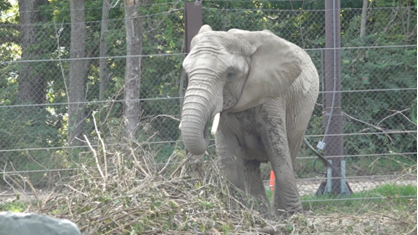
Iske said it’s one of the most natural and beneficial diet items the zoo can offer. “It’s very nutrient-dense, it’s full of fiber and minerals,” she said. “It is, in my opinion, one of the best diet items that we can offer any animal that would be naturally consuming it.”
Wagner agreed. “There’s nothing that can replace browse, in my opinion,” he said. “It makes it more fun to watch the animals eat browse, too. It’s amazing to watch a giraffe wrap its tongue around a branch and rip the bark off without using hands—or the elephants, the dexterity of their trunks is amazing.”
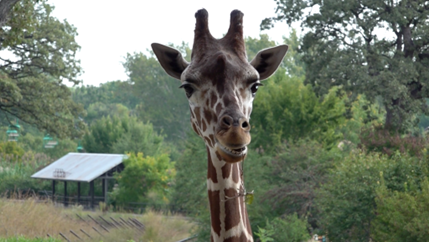
The zoo’s browse team of five delivers more than 200,000 pounds of browse each year to around a dozen drop-off points. “We’re basically the UberEats of tree branches to the animals here,” Wagner joked.
For TNC, the partnership offers much-needed help in maintaining one of the last tallgrass prairies in the region. Less than five percent of this ecosystem remains in North America, making preserves like Folsom Point essential for biodiversity.
“Invasive trees and shrubs are a growing threat to our remaining grasslands and all the native plants and wildlife that depend on them,” said Graham McGaffin, director of The Nature Conservancy in Iowa. “The prairies that we do have are incredibly important to be managed responsibly, to be restored, and programs like this help us get there.”
He added that the collaboration could last indefinitely. “One of the challenges that we as conservationists find is that there’s not enough hours in the day,” McGaffin said. “To bring on a team that can use the trees and shrubs that are a challenge for us, as prairie managers, for forage, I don’t see a shortage of the challenges that we have as prairie managers, so I think the partnership and program could go on for a long time.”
By removing woody plants from the prairie, the zoo helps maintain open grasslands for migratory birds, pollinators, and other native wildlife. The Nature Conservancy, in turn, provides the zoo with a renewable and sustainable food source.
The zoo also accepts browse donations from the public. Wagner said contributions are welcome year-round. “Animals still like to strip bark in the winter, so that’s very helpful,” he said. Through the browse donation page at omahazoo.com/browse, potential donors can fill out a questionnaire to ensure the material is safe and suitable for animals.
“We can also accept people dropping stuff off at the zoo just about any time,” Wagner said, adding that pickup availability depends on “what it is, where it is, and how much it is.”
Mulberry and Siberian elm are two of the most common and well-loved species. “Mulberry, I think, is probably half of what we feed here at the zoo,” Wagner said. “The Siberian Elm is another really big one that the elephants love, and giraffes seem to like it pretty well, too.”
As with their natural diets, variety matters. “Animals are just like people in that they will get tired of eating the same thing every single day,” Wagner said. “Being able to offer the animals a variety of different food sources also helps keep them interested.”
For the zoo and The Nature Conservancy, the browse partnership demonstrates how conservation can benefit both wildlife and habitats. As Iske put it, the collaboration is “very mutually beneficial,” supporting animal health while sustaining a delicate ecosystem.
“Grasslands are the most threatened, least protected habitat type on Earth—they’re more endangered than the Amazon rainforest,” McGaffin said. Programs like this ensure that both the prairies of Iowa and the animals of Omaha continue to thrive together.
For more information, visit omahazoo.com/