By Sam Eckler
OMAHA, Neb. – For independent musicians in Omaha, the path to building a fan base increasingly runs through a smartphone screen instead of a stage.
As the city’s music scene adapts to digital trends, artists are using TikTok, Instagram and YouTube to promote new songs, livestream performances and connect directly with listeners. What once depended largely on booking gigs at local venues or being listed in print publications now often begins with a short-form video.
The shift has changed how Omaha artists find audiences, promote shows and measure success. Instead of relying solely on foot traffic at Benson or downtown venues, musicians can reach thousands of potential fans within minutes of posting a clip, expanding their presence beyond city limits while still rooted in the local scene.
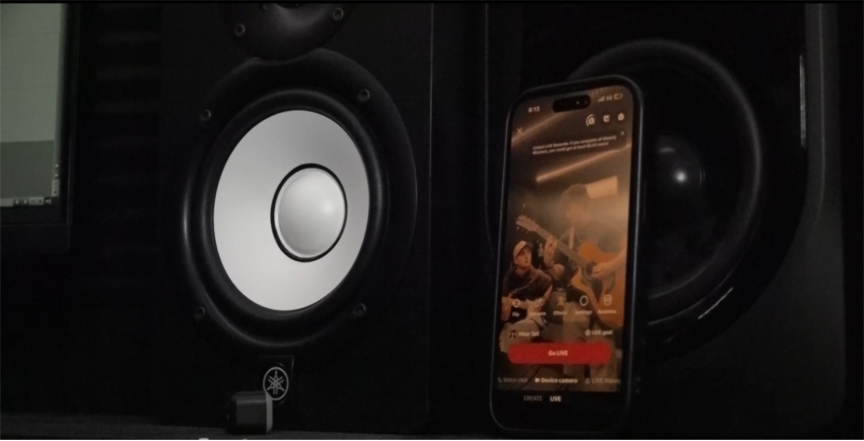
Calin James and Johan Wik preparing to perform for TikTok live.
Calin James, a 19-year-old Omaha indie artist, began performing at 13 and has built a following of about 25,000 on TikTok. On the platform, he posts covers, shares original songs and goes live to interact with viewers in real time.
“TikTok, Instagram, even just in person too, word of mouth is really powerful,” James said. “Especially if you leave an impact with somebody, it makes them want to talk about you to other people.”
For James, social media has become a promotional tool that works alongside live performances rather than replacing them. He previews unreleased music online and uses his platforms to drive attendance to local shows.
“Here in Omaha, artists are turning likes into real-world success,” James said. “They’re using social media to showcase their work, grow their audiences and build a name beyond the studio.”

Calin James performing at an open mic at Brokedown Palace
Before social media platforms became central to music promotion, local musicians relied more heavily on physical spaces and print listings to discover opportunities.
Chris Klemmensen, a member of longtime Omaha band Satchel Grande, said artists once turned to local publications to track where crowds gathered.
“There was a magazine called The Reader, and there was a section that would tell you where all these shows were happening,” Klemmensen said. “If it was a hip show and you thought those people might be into your band, you would go to that venue on those nights.”
Today, that scouting process often happens online. Artists can study engagement metrics, respond to comments and tailor content based on what resonates with followers. A single post can reach far beyond Omaha, giving local musicians exposure that previously required touring or label support.
Despite the digital shift, musicians say the fundamentals of building a career remain the same.
While algorithms may help amplify a song, Omaha artists say long-term success still depends on consistent output, strong live performances and meaningful connections whether those begin in a venue or on a screen.