By: Juliette Eckler
OMAHA, Neb. — Nebraska advocates say a limited pipeline of trained sign language interpreters is making it harder to meet interpreting needs in the state.
Brent Welsch, president of the Omaha Association for the Deaf, said one challenge is the limited number of programs preparing new interpreters.
“And that’s — it’s really hard to find the programs, and that’s caused our interpreters to just be less because we don’t have enough that are graduating,” Welsch said.
The University of Nebraska at Omaha offers Nebraska’s only bachelor’s degree program in sign language interpreting. The program averages about three to eight people per semester. UNO also offers an ASL minor.
Rowan Thompson, an outreach liaison for the Nebraska Commission for the Deaf and Hard of Hearing, said training does not end with classroom study. Aspiring interpreters also need opportunities to practice performance skills with experienced interpreters.
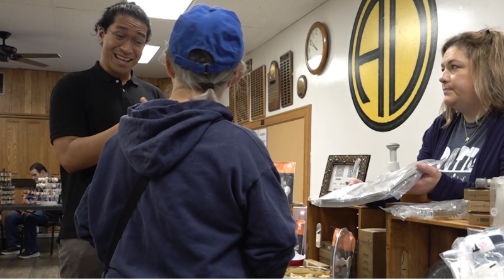
“There isn’t very widely known mentoring programs when it comes to training new interpreters, so we might be able to pass the written by doing studying, but doing the performance doesn’t happen without the ability to practice with a seasoned interpreter as a mentor,” Thompson said.
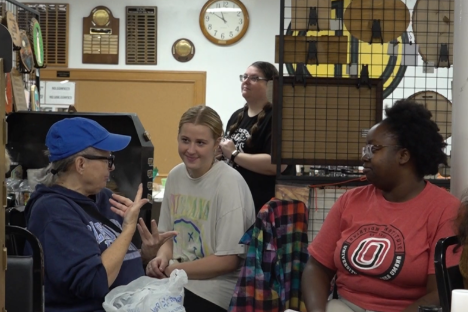
According to the National Deaf Center, another possible reason for the decrease is the sense of interpreters not willing to work in postsecondary setting, especially in person.
With a small number of licensed interpreters compared with the number of Nebraskans who may need services, developing new interpreters remains important for the community.
Welsch said interpreters coming into the community can also learn the language directly from the people they serve.