By: Sam Eckler
OMAHA, Neb. — College competition has long meant packed basketball courts and football fields, but a new generation of athletes is competing with keyboards and controllers.
Esports have grown from casual gaming into organized competition, generating a market estimated at $3.3 billion in 2026 according to Grand View research. On college campuses across the country, students are getting involved in competitive gaming.
At the University of Nebraska at Omaha, esports bring students together to compete in games such as League of Legends, Overwatch and Super Smash Bros. The program gives players an opportunity to practice, compete and build a gaming community in a city traditionally known for other sports.
UNO Esports President MJ Davis said collegiate esports can also introduce students to opportunities beyond competing.
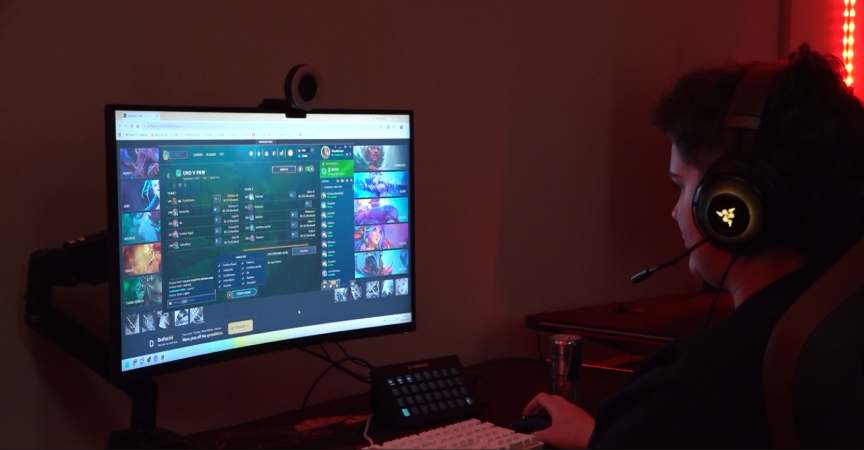
“There’s a lot of opportunities for just running collegiate esports that are paid,” Davis said. “There’s also the pro scene that can extend from that, as well as things like casting or streaming and marketing especially.”
As competitive gaming continues to attract students, Omaha’s location does not necessarily limit the competition. UNO’s esports team frequently competes against teams from the East and West Coasts, as well as larger Division I schools such as Michigan and Missouri.
Collegiate esports programs can also give players experience and connections as they consider opportunities beyond college.
UNO Esports officer Zachary Burman said college can serve as a bridge between beginning competitive gaming and the professional level.
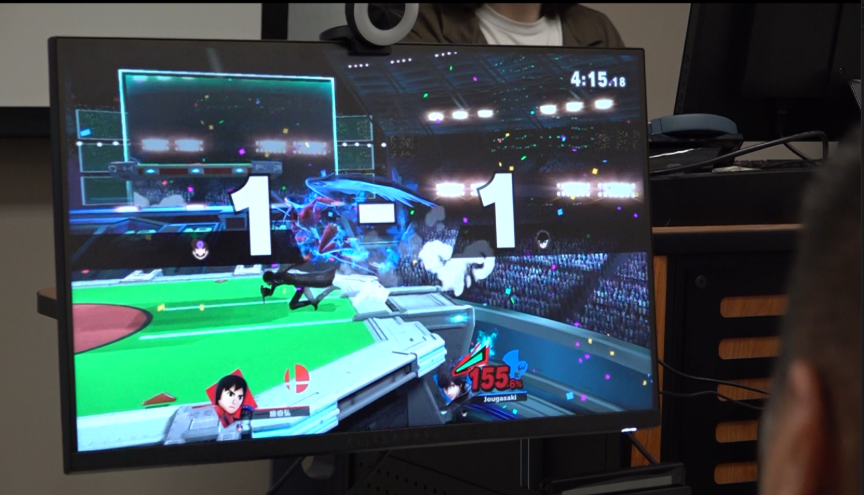
“When you go from high school to college to professional esports, college is right in that middle spot where you transition from basically, like, beginner,” Burman said. “It kind of gets the community together and can disperse to professionals.”
For Omaha’s growing esports community, each match provides another opportunity for players to gain experience, build connections and represent Nebraska in collegiate competition.