By: Quise Varoz
The Lee G. Simmons Wildlife Safari Park in Ashland has received continued accreditation from the Association of Zoos and Aquariums (AZA), recognizing its work to meet professional standards for animal care, welfare, conservation and facility operations. The decision was confirmed Sept. 29 at the AZA’s annual conference in Portland, Oregon, following a review process that took about a year. The park has maintained AZA accreditation since opening in 1998.
For visitors, the Safari Park experience can mean watching wildlife from a vehicle along its drive-through route. Behind that experience is a year-round operation involving animal care, veterinary services, trained staff, safe facilities, conservation, education and the systems needed to keep the park running.
What AZA accreditation means
The AZA is a professional organization that evaluates zoos and aquariums against a broad set of standards. Accreditation is not simply a popularity rating or a one-time inspection. Facilities must demonstrate that their practices, policies and operations meet the organization’s requirements. Animal health and welfare are central to the review, but the evaluation also looks at whether the institution has the people, facilities and management systems needed to care for animals responsibly over time.
How the accreditation process works
The process begins well before inspectors arrive. A facility prepares a detailed written application documenting its policies, procedures, records and reports. This preparation can take many months because staff must gather information from across the organization and show how daily practices align with AZA standards.
Next, an independent team of zoological professionals conducts a multiday, on-site inspection. The team may include veterinarians and other specialists with experience in animal care and facility operations. Inspectors visit different parts of the institution, observe conditions, review records and interview staff. Their work helps assess not only what visitors can see, but also the behind-the-scenes practices that support animal well-being and safe operations.
After the site visit, the inspection team submits a report for review by the AZA Accreditation Commission. The commission considers the findings and holds a hearing before making an accreditation decision. Accreditation must be renewed every five years, so facilities must continue meeting standards rather than treating the review as a one-time achievement. The AZA may also review relevant reports or information between accreditation cycles.
The standards extend across the operation
Animal care and welfare are key parts of the review, including the conditions in which animals live, and the practices used to support their health. The process also examines veterinary programs, staff training, safety procedures, physical facilities, conservation and research work, education programming, financial stability, and other operational areas. These elements are connected: responsible animal care depends on trained people, appropriate facilities, effective procedures and the resources to maintain them.
That breadth is important at the Wildlife Safari Park, where visitors experience wildlife from a drive-through route. The park animals and guest experience are visible, but much of the work that supports them happens out of sight. Accreditation gives outside professionals a structured way to evaluate the broader operation and determine whether it meets AZA expectations.
What staff say about the review
Gary Pettit, deputy director of the Wildlife Safari Park, said the evaluation covers several areas of the institution, while animal care and well-being remain the most important focus.
“They’re all important. They look at, you know, the research we do, our finances, our marketing. But by far, the biggest is animal care and well-being, and probably physical. The physical facility is probably number two.”
Guest Services Associate Linda Thomas said the park aims to provide visitors with an experience that is both educational and memorable, while showing that animal care is a priority.
“They have to understand they are seeing a quality, top shelf place that takes care of its animals, that educates on its animals, and that gives them experiences that they’ll always remember.”
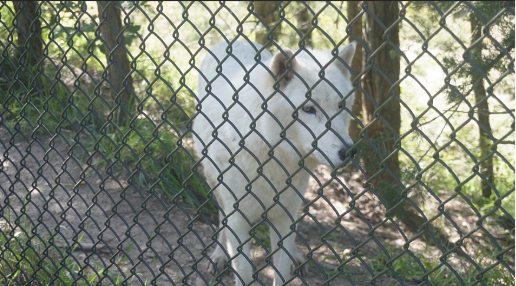
The Safari Park features a drive-through wildlife-viewing route and animals that include American elk, white-tailed deer, prairie dogs, gray wolves, American black bears and bison. Its work is connected to the wider Omaha zoo community and the conservation, education, and animal-care responsibilities shared across the institutions.
A continuing commitment
Continued accreditation confirms that the Safari Park has met AZA standards for another cycle, but the work continues after the announcement. Staff must keep up with animal-care needs, maintain facilities, follow safety and operating procedures, support conservation and education, and be prepared to demonstrate those practices again at the next review. The five-year cycle makes accreditation an ongoing responsibility woven into everyday work.
ACKNOWLEDGMENTS & THANK YOU
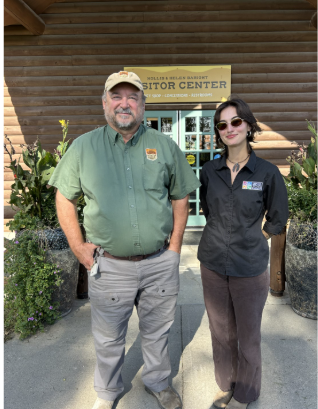
A special thank-you to Gary Pettit, deputy director of the Wildlife Safari Park, and Lex Gowans, Integrated Communications Manager, for taking the time to speak with me and for allowing me private access to see more of the Safari Park and the work that happens behind the scenes. I appreciate their generosity, time and willingness to help me better understand the accreditation process and the daily responsibilities involved in running the park.
Thank you as well to Linda Thomas for sharing her perspective on the visitor experience and the role the Safari Park plays in educating guests. Her insight helped connect the standards behind accreditation to what visitors take away from their time at the park.
Finally, thank you to the staff at Omaha’s Henry Doorly Zoo and Aquarium and the Lee G. Simmons Wildlife Safari Park. The work involved in animal care, welfare, conservation, education, guest services.