By: Dayanara Marroquin
Movies can do more than entertain. At Film Streams, the power of cinema extends beyond the screen, bringing Omaha residents together to learn about important social issues and engage in meaningful conversations.
Through Omaha Checkup, a free film screening series presented in partnership with the University of Nebraska Medical Center’s College of Public Health, Film Streams uses storytelling as a tool for education and community engagement. The series will conclude its 2026 programming with a final screening Dec. 7.
Launched in 2025, The Omaha Checkup has explored a range of public health issues, including Black maternal health and the opioid crisis. Each screening is followed by discussions with experts, allowing audiences to learn more about the topics presented in the films and ask questions.
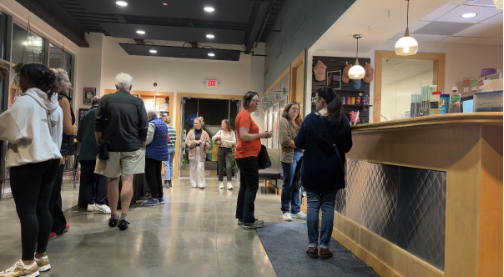
On Nov. 2, the series featured a screening of “Coded Bias,” a documentary examining racial and gender bias in artificial intelligence and facial recognition technology. Following the film, attendees had the opportunity to participate in a discussion about the issues raised in the documentary and their broader implications.
Amanda Kephart, Film Streams’ strategic director of programs and experience, said cinema can help make difficult conversations more accessible.
“When you can engage in some type of storytelling as a medium through which to have a more challenging conversation, it becomes inherently easier for all parties to participate,” Kephart said.
The initiative reflects a broader movement among independent theaters nationwide to use film as a platform for education and community engagement.
According to a 2026 national survey conducted by Art House Convergence, 73% of respondents said their preferred art-house theater creates a space for important community conversations.
More than 27,000 moviegoers participated in the survey, including audiences from Film Streams. The findings reflect audience perceptions of independent theaters as spaces for community dialogue rather than measuring the effectiveness of individual programs such as The Omaha Checkup.
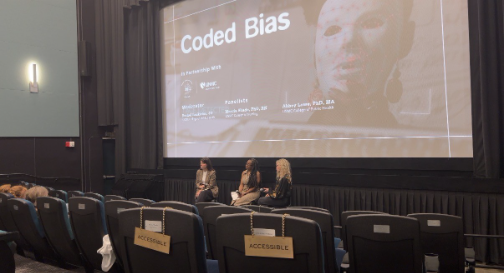
For attendees like Avery Wallace, the free screenings provide an opportunity to engage with important topics and hear directly from experts in their respective fields.
“I think having a venue for the people of Omaha or surrounding communities to be able to come to a free screening and hear from really educated, really smart experts in their field on whatever topic is being covered is just such an asset to our community,” Wallace said.
By combining film with expert-led discussions, The Omaha Checkup offers audiences an opportunity to explore different perspectives and better understand issues affecting their communities.
The final Omaha Checkup screening of 2026 is scheduled for Dec. 7 at Film Streams. The event is free and open to the public.