By: Jacob Lesley
OMAHA, Neb. — The University of Nebraska at Omaha has begun construction on two new athletic facilities south of Center Street as the university prepares to expand out of long-standing Sapp Fieldhouse.
The Howard L. Hawks Training Center and the baseball and softball clubhouse at Maverick Park are expected to expand opportunities for Omaha Athletics while providing additional space for community programs and youth activities.
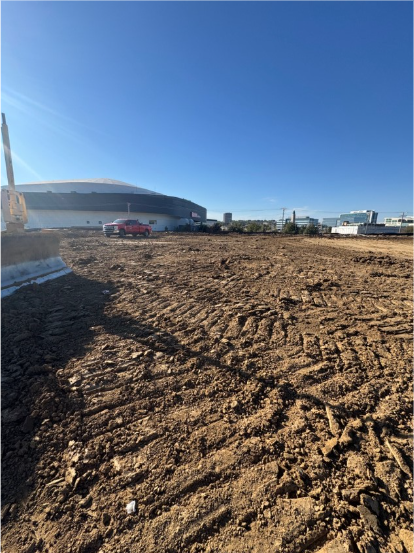
UNO athletic director Adrian Dowell said community engagement remains a priority for the projects.
“All of our facilities are activated on a daily basis for community benefits,” Dowell said. “That is something that was really important to investors in those original projects, but something that we’ll continue to do in line with the Howard Hawks training center and clubhouse project as well.”
Omaha women’s basketball coach Jamie Carey also highlighted the potential benefits for young athletes and the surrounding community.
“I know there’s going to be some use for youth and things like that at the training center, which I think is incredibly important,” Carey said.
The developments could also provide greater flexibility for UNO athletic teams. Carey said additional gym space would allow multiple teams to practice simultaneously, improving access to training facilities.
Dowell discussed the potential future of Sapp Fieldhouse, which could become another community resource following planned improvements.
“It also gives us another asset, just like the newer facilities in Baxter and Maverick Park, to share with our community and programming,” Dowell said.
Dowell expressed optimism about the fieldhouse’s future, saying, “I have a very sneaky suspicion that this is going to be quite the popular facility once we get our track redone in here, and also field turf.”
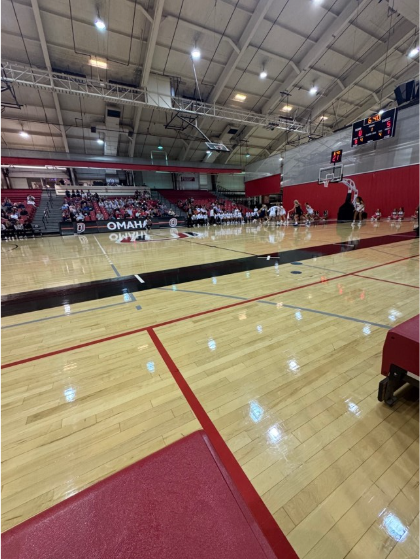
The new facilities are located near Baxter Arena at Maverick Park. University officials have released renderings showing the planned developments as construction moves forward.
The projects represent an investment in the future of Omaha Athletics, with university officials emphasizing both athletic development and public access.
The two facilities are being funded entirely through private contributions from university donors and philanthropists, according to the university.
Once completed, the developments are expected to expand UNO’s athletic resources while creating additional opportunities for community programming and youth participation.