By: Gizela Kwihangana
OMAHA, Neb. — A new exhibit at the Great Plains Black History Museum highlights the contributions of Black military service members whose lives and service were connected to Nebraska.
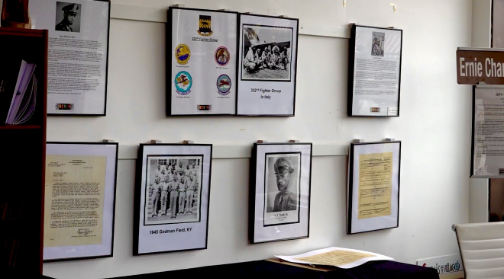
The exhibit, “Tuskegee Airmen Who Called Nebraska Home & African Americans Who Served,” is scheduled to run from Nov. 1 through Jan. 1, 2027. Opening ahead of Veterans Day, it features photographs, documents and stories of Black Americans who served in the military, including members of the Tuskegee Airmen.
Museum Executive Director Eric Ewing said the exhibit aims to recognize contributions that have often been overlooked in American history.
“Some people portray us as bystanders, not active participants,” Ewing said.
Ewing, a Navy veteran who served for 20 years, said he wanted the exhibit to go beyond the Tuskegee Airmen to recognize other African Americans who served their country.
Among those featured is Capt. Alfonza W. Davis, who was born in Omaha in 1919 and graduated as a valedictorian from Technical High School in 1937. He later attended Omaha University, now the University of Nebraska at Omaha, before joining the Army Air Corps in 1942.
Davis trained at Tuskegee Army Airfield in Alabama, becoming the first Black military aviator from Omaha to earn his wings there. He went missing in action during World War II.
Ewing said the exhibit includes a letter sent to Davis’ wife after he was reported missing, providing a personal connection to his military service.
His legacy continues in Omaha through Alfonza W. Davis Middle School, which was named in his honor.
The exhibit also highlights Lt. Col. Paul Adams, another Tuskegee Airman who was stationed in Nebraska and later became an educator in Lincoln. An elementary school in Lincoln also bears his name.
For Omaha resident Mikaiya Rodgers, whose grandfather served in the military, the exhibit holds personal significance.
“Their history is our history, and their military contributions deserve to be remembered and honored,” Rodgers said. “This exhibit not only allows me, but also my friends and family to see ourselves in their stories.”
Ewing said he wants future generations to recognize that Black Americans served their country honorably and were active participants in its history.
“As history was happening, we weren’t just observing it. We were a part of it,” Ewing said.
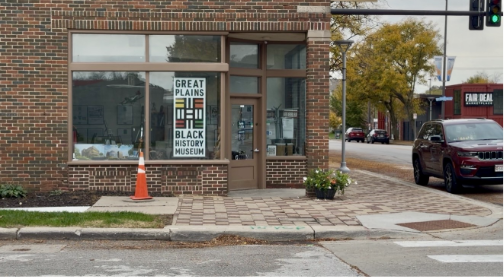
The exhibit runs through Jan. 1, 2027, at the Great Plains Black History Museum, 2221 N. 24th St. The museum is open Wednesday through Saturday from 1 to 5 p.m. Admission is free.